ClimateTech Open Innovation Bootcamp
Turning climate resilience challenges into scalable ventures.
A climate-focused venture acceleration program run by The Core at Al Hussein Technical University, supporting a cohort of 11 startups building commercially viable solutions to heatwaves and flash floods.
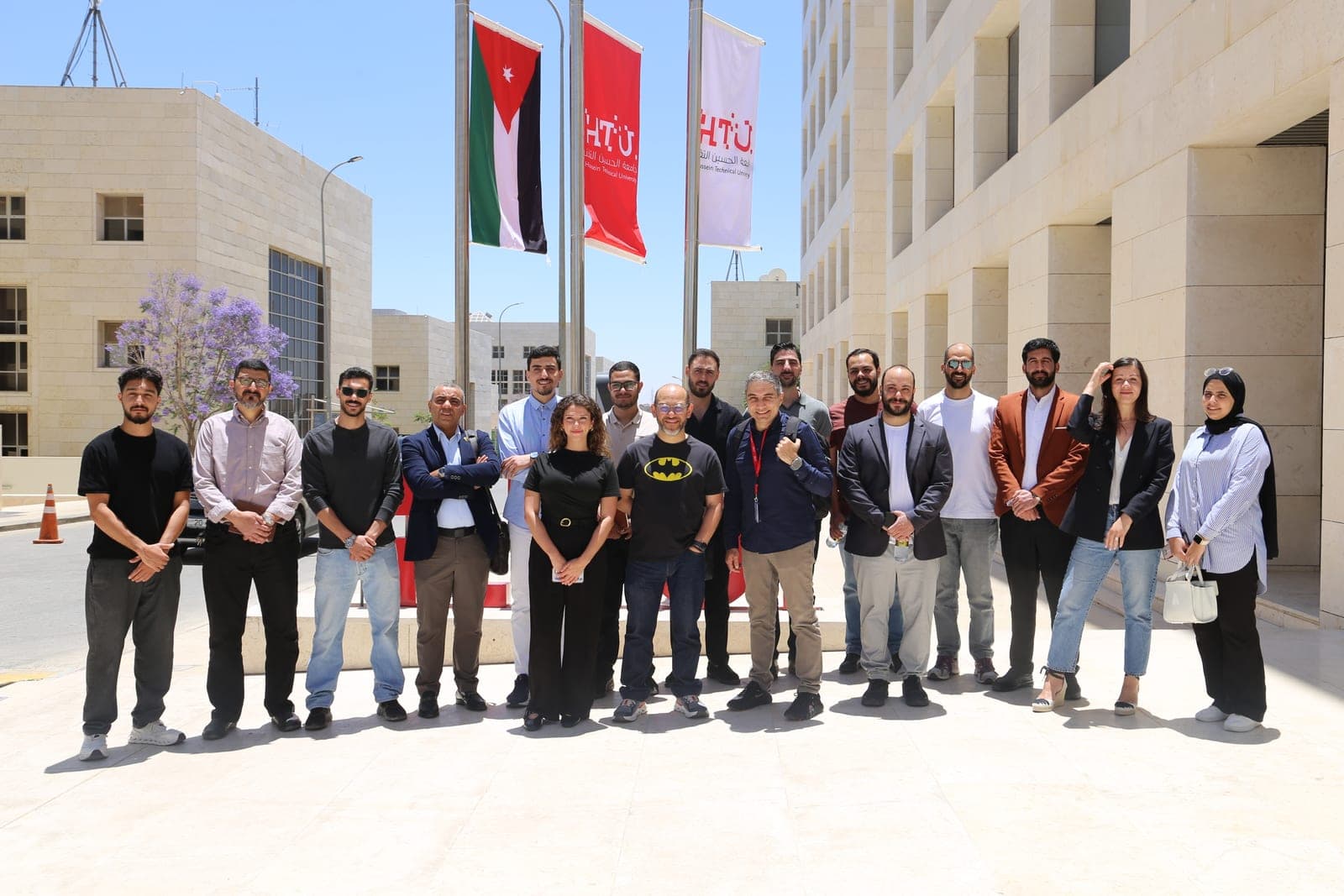
Program overview
A selected cohort of 11 climate startups.
The ClimateTech Open Innovation Bootcamp is a climate-focused venture acceleration program supporting a selected cohort of 11 startups developing innovative and commercially viable solutions that address climate resilience challenges, with particular focus on heatwaves and flash floods. The Bootcamp combines entrepreneurship support, technical guidance, mentorship, prototyping support, and ecosystem engagement to strengthen both the technical and commercial readiness of solutions.
Climate focus areas
Implemented by The Core at Al Hussein Technical University (HTU) under the Mercy Corps funded Tabeaa project, Strengthening Climate Resilience in Jordanian Communities.
Program objectives
Accelerate the development of climate-focused ventures.
Support startups in refining and validating their solutions.
Strengthen business models, commercialization pathways, and market readiness.
Facilitate prototype development, testing, and iteration.
Connect founders with mentors, technical experts, and ecosystem stakeholders.
Prepare startups to showcase their solutions at a national-level conference and evaluation event.
Ultimately, the program seeks to demonstrate that climate resilience challenges can be transformed into scalable and sustainable business opportunities.
Program structure
The Bootcamp runs across four connected phases, from a tailored diagnostic through to a national showcase and final evaluation.
Phase 1: Diagnostic and Roadmapping
Each startup participates in a 1:1 diagnostic clinic. The outcomes are used to develop a tailored support pathway for each startup.
- Technical maturity
- Commercial readiness
- Prototype development needs
- Market and customer validation
- Key support priorities
Phase 2: Capacity Building and Mentorship
Startups take part in focused workshops, technical sessions, and one-on-one mentoring across the areas that matter most to their pathway.
- Market Validation and Stakeholder Mapping
- Business Model Development
- Prototype Development and Testing
- Commercialization Strategy
- Financial Modeling
- Scalability and Growth
- Investment Readiness
- Pitch Development
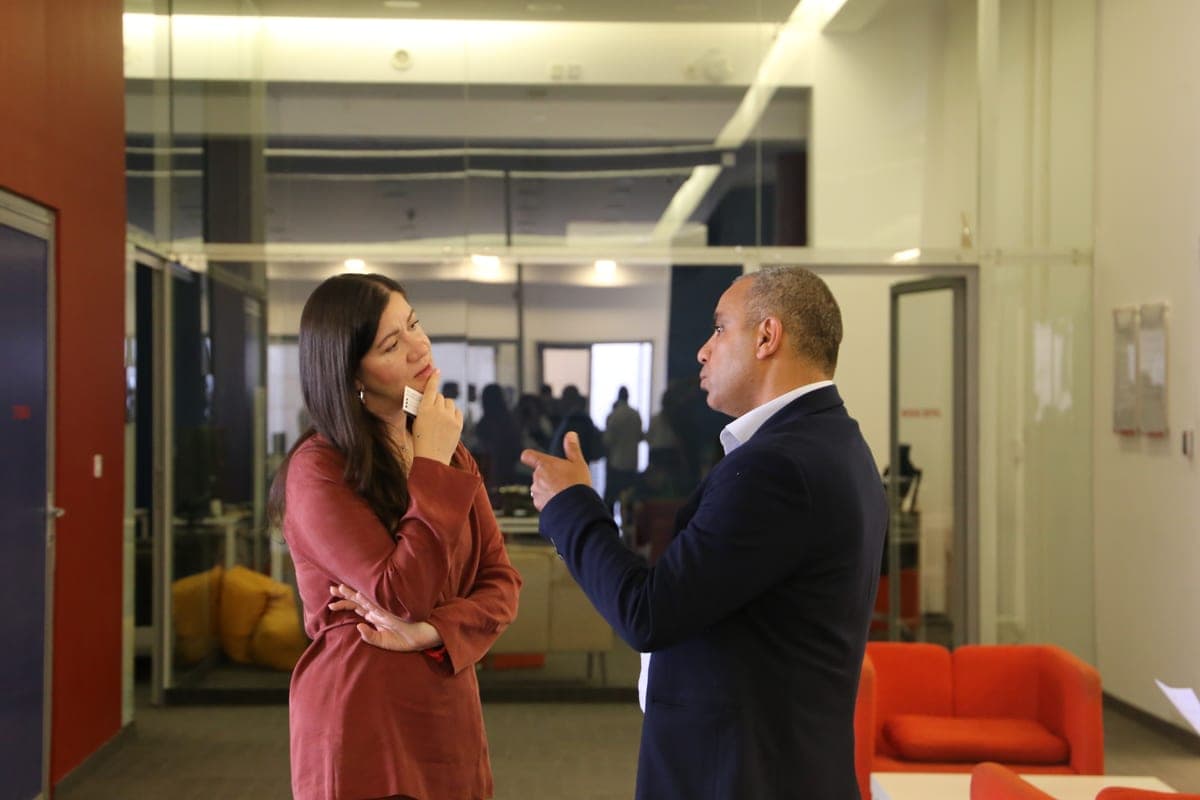
Phase 3: Prototype Development and Validation
With support from mentors and HTU's Innovation Sandbox facilities, startups develop, refine, test, and validate their solutions.
- Hands-on prototype development
- Access to the HTU Innovation Sandbox
- Testing and iteration with mentor support
- Technical validation of the solution

Phase 4: National Conference and Final Evaluation
The program concludes with a national showcase where startups present their solutions to an evaluation panel and ecosystem stakeholders.
- National-level showcase of the cohort
- Final evaluation by an expert panel
- Exposure to ecosystem stakeholders and partners
Implementation grants of JOD 100,000
Two startups will be selected to receive implementation grants from a total funding pool of JOD 100,000, based on solution maturity, feasibility, impact potential, scalability, and implementation readiness.
What success looks like
- A stronger and more validated solution
- Clearer commercialization and implementation pathways
- Improved technical readiness
- Refined business models
- A compelling investment and partnership narrative
- A stronger foundation for scaling climate resilience solutions
Meet the cohort
Eleven startups selected to build commercially viable solutions for climate resilience in Jordan, with a focus on heatwaves and flash floods.
Natheer
IoT Environmental Monitoring
Provides a multi-channel early warning and flood risk management platform using GIS, satellite data, and real-time alerts.

Fabran
Sustainability
Recycles textile waste into affordable thermal and acoustic insulation materials for buildings.
Cluster Labs
Climate Data and Analytics
Develops geospatial analytics platforms and dashboards to turn complex urban data into actionable decision-making tools.

ECO Panels
Green Construction
A green construction company built on the belief that sustainability is not merely an option, but an essential imperative for transforming the construction industry.
GrowCarbon
CarbonTech
Builds a digital platform to measure, manage, and finance natural assets like trees using carbon tracking and environmental data analytics.

Safi by ArabiaWeather
Weather Intelligence
Provides AI-driven weather intelligence and forecasting infrastructure delivering real-time climate data and risk insights to millions of users and businesses across the MENA region.

RetroLoop
Circular Economy
Produces bio-based thermal materials from recycled oils to retrofit buildings and reduce energy consumption through passive cooling.
WindowPulse X
Energy Efficiency
Develops a low-cost, window-mounted hybrid cooling device using evaporative cooling to reduce temperature with minimal energy use.

iRoof
Urban Climate Resilience
Installs modular green roof systems that capture rainwater, reduce heat, and lower energy costs using native plants and smart irrigation.
raw.erth
Sustainable Construction
Designs and restores buildings using earthen materials and passive cooling techniques for sustainable, climate-resilient construction.
Nexus Nature
ClimateTech
Provides low-cost IoT-based water and weather monitoring systems for real-time data, early warnings, and improved resource management.
Ready to build something that matters?
Applications for the next cohort are opening soon.